
Treatable Conditions
Anti-Aging

-
Reduced inflammation
The first benefit from the application of stem cells is a reduction of inflammation, the chronic inflammatory process that results from the presence of senescent cells in aging damaged tissues. Pluripotent stem cells release immune factors and miRNAs that modulate this and reprogram tissue to a younger immune and metabolic age.
-
Improved organ function
Pluripotent stem cell treatment signals repair and reprogramming in all 220+ cell types of the body. Pulsing doses of pluripotent peptides and transcription and growth factors allow for renewed angiogenesis, neurogenesis, growth and regeneration. Over time this returns organ function to a healthy state, averting or reversing the development of age-related diseases and damage caused by the aging process.
-
Improved quality of life
Aging can take a toll on the body, the mind and quality of life. Energy levels, mobility, cognition are all affected when organ function declines due to degeneration. The clinical application of pluripotent stem cells and their secretome have the regenerative capacity to reprogram epigenetics of the tissues and gradually begin to reverse the physiological decline. Patients report many positive effects – more energy, better health and improved medical results. This vitality allows them to once again take up projects and physical activity they enjoy. Once we see a return of libido, we know we are reversing aging.
Alzheimer’s Disease

-
Reduced Inflammation
The first benefit from stem cell treatment is the quenching of the fire in the brain, the inflammation. Stem cells and their exosomes release immune and transcription factors that help immune cells to shift away from TH1 auto-immune reactivity and restore immune balance and tolerance. Our detoxification and anti-parasite treatments also help to restore proper immune regulation.
-
Better Cognition
The second level of benefit, improvement in cognitive function and memory, is usually observed after a minimum of 12-24 injections. At this stage, chronic infections are cleared, inflammatory fire is mostly quenched, plaques and tangles treated, brain function starts restoring. The neurotrophic and neuroregenerative, anti-fibrotic factors, growth factors, mRNAs & miRNAs, all signal repair and regeneration in the brain.
-
Improved Quality of Life
Dementia & Alzheimer’s are diseases of aging. Pluripotent stem cells signal repair and rejuvenation in all 220+ tissue types. They have potent senolytic factors that quench inflammaging that is adding systemically to brain degeneration. The Stemaid Programs not only repair the brain and reverse cognitive decline, but also strengthen and rejuvenate all organ systems. The result is overall increase in vitality and quality of life.
Arthritis

-
Cartilage restoration
Thanks to the regenerative properties that stem cells carry in them, our treatments are able to restore the damaged cartilage to its former healthy state. Stem cell therapy also makes the new cartilage less prone to damage in the future, providing you with an overall improvement in mobility.
-
Mobility restoration
Arthritis can severely limit one’s ability to move their arms and use them for various activities. Its effects are most felt by the elderly, who suffer greatly from such an affliction. Stemaid stem cell therapy restores the previous mobility state of the afflicted individual by injecting stem cells into the damaged joint. Once the allotted treatment time is up, patients can often return to normal day-to-day routines. Stemaid treatments are so successful due to our use of pluripotent stem cells and Plurisomes that help repair tissue in any part of the body. The Plurisomes signal the brain that repairs are needed, and the brain tells the body it’s time to send cells to repair the damaged area. Pluripotent stem cells enhance this reparation process.
-
Pain relief
Consistent and chronic joint pain is often the indicator that you may be suffering from age-related arthritis. Unfortunately, certain forms of arthritis may be an indicator of more severe conditions like rheumatoid arthritis, an auto-immune disorder, or chronic infections like Lyme disease. In all cases, our pluripotent stem cells products can swiftly reduce the pain or eliminate it altogether (results vary from patient to patient). If your condition is related to an auto-immune disorder or a chronic infection, we will recommend to complete a 4 week program to see results.
-
Overall rejuvenation
Arthritis is also an indication that the body has lost its capacity to rejuvenate its tissues. As we age, we have less and less of our stem cell reserve to attend the wear and tear. By following our pluripotent protocol, your body replenishes its own stem cell niche and reacquire the capacity to restore its tissues. It is one of the nice butterfly effect of our pluripotent programs, a long term benefit for a longer healthier life.
Back Pain

-
Pain relief and reduction of inflammation
When the back and its ligaments are injured, the damaged tissue activates inflammatory processes, causing chronic pain. Musculoskeletal pain, discogenic pain (intervertebral disc), joint pain in the spine, hip pain and leg pain can all ensue. Physical therapy improves some pain scores, patients report improvement in pain, but the pain signals are often not fully resolved, resulting in residual chronic pain. Stem cells can help repair damage and quench inflammation at the root, at the source of pain.
-
Improved repair and regeneration
Slowing the degradation of spinal cartilage and repairing damaged cartilage is an important treatment focus of cell-based therapies. As we age, the natural healing process slows and spinal cartilage degenerates and becomes irreparable. This can lead to chronic pain, reduced mobility and serious alteration of quality of life. Stem cells repair, regenerate and reprogram tissue they reach, whether via IV or locally. Their secretome is full of growth factors, neurotrophic factors, angiogenic factors, reprogramming factors that activate the healing process.
-
Supportive or alternative treatment to surgical options
In situations where the back has been subjected to considerable stress and strain, such as high-impact sports, accidents, or injuries, it may become irreversibly damaged, leading to the need for surgical intervention to maintain a patient’s quality of life. Delaying or preventing the need for surgical options, or improving recovery time after surgical procedure. Stem cell therapy has demonstrated significant regenerative properties, making it an excellent option for staving off the need for surgery.
Brain Injury

-
Immune
The first benefit from stem cell treatment is immunoregulation. Brain injury instigates a natural inflammatory reaction, which if left unchecked can worsen the repair process and even cause further brain injury. Clearing runaway inflammation is step one in the healing process. Stem cells and their exosomes release immune and transcription factors that help restore healthy immune function in the brain.
-
Cognition
The secondary benefit from stem cell treatment is a gradual return of cognitive function. This may occur within the first 2 weeks or take longer, depending on seriousness and location of the injury. Pluripotent stem cells release neurotrophic, angiogenic and growth factors, and help restore connections in the brain between sites of brain injury and patient’s own stem cell stores in the brain.
-
Mobility
Pluripotent stem cells and Plurisomes signal repair in all tissues of the body. As the brain begins to repair, communication with the rest of the body begins to gradually improve and muscle movement and control begin to restore. This is followed by balance, coordination and overall improvement in mobility. Results vary patient to patient.
Cerebral Palsy

-
Reduced Inflammation
The first benefit from stem cell treatment is immune regulation. Stem cells and their exosomes release immune factors and miRNAs that help immune cells to shift away from TH1 reactivity. Detoxification IVs and microbiome restoration also help to improve immune function. This calms the fire destroying the neural and axonal integrity and allows the myelin sheath to restore and symptoms to improve.
-
Improved Cognition
The second level of benefit is usually observed after a minimum of 12-24 injections when inflammatory fire is quenched and the myelin sheath and overall brain health has a chance to starts restoring. The neurotrophic and neuroregenerative factors, the growth factors, mRNAs & miRNAs signal regeneration in the brain and in the periphery. By triggering a high production of neural stem cells within the brain which, in turn, become new neurons and glial cells, new connections are created. The patients begin to show signs of improved understanding, thinking, and communicating.
-
Improved Mobility
With pulsing doses of pluripotent factors and miRNAs from the stem cells, neuromuscular junctions and larger muscle groups begin to show signs of activated repair. Speaking, swallowing, movement and strength gradually improve. The results depend on the severity of the brain damage and which part of the brain is originally impacted. Healing takes time.
COPD
-
Reduced Inflammation
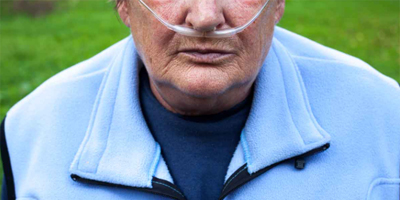
The first benefit from stem cell treatment is immune regulation. Stem cells and their exosomes release immune and transcription factors that help immune cells to shift away from TH1 auto-immune reactivity. Clearing chronic infections and detoxifying the body of heavy metals helps to restore immune function. This calms the alveolar and lung tissue destruction in its tracts, paving way for continuous repair.
-
Improved Energy
The second level of benefit is usually observed after a minimum of 6-12 injections when lung tissue begins repair via the delivery of stem cells’ anti-fibrotic and angiogenic factors. This in turn increases oxygen delivery to the lungs and to other organs, and usually feels like increased energy levels, improved strength, balance and coordination, decreased pain and the ability of think again.
-
Organ Function Restoration
Pluripotent stem cells work on repairing not only lung tissue. They travel to all 220+ tissues of the body and gradually repair the systemic damage incurred from long-term poor organ oxygenation and perfusion. Heart function, circulation, digestion and other organ dysfunction continue to improve over time. Patients gradually become less and less dependent on extra oxygen delivery. Progress depends on how the severity of the overall condition.
Diabetes

-
Reduced inflammation
The first benefit from stem cell treatment is a reduction of systemic inflammation. Pluripotent stem cells release immune factors that modulate immune responses, including autoimmunity, and reprogram macrophages to avoid the production of inflammatory chemokines, thus reducing insulin resistance. Cognitive function improves, infections clear, swelling is reduced, overall vitality gradually returns.
-
Decrease in pain
With less inflammation and repaired organ function, pain begins for wane. This occurs at around 6-12 injections. Muscle aches, joint pain and neuropathy gradually improve and patients have more energy, improved mobility and better mood overall.
-
Pancreatic function improvement
Fasting glucose and HA1C gradually stabilize in the normal range. The pluripotent stem cells signal repair factors and growth factors in the pancreas, reactivating progenitor stem cells which become new healthy insulin-producing islet clusters within the damaged pancreas. This leads to mproved glucose control and less dependence on insulin injections.
Fibromyalgia

Stem cell treatments encourage healthy tissue growth, and can reduce the immune system’s overactive response in fibromyalgia.
Stemcells have incredible regenerative capacities and encourage healing when injected at targeted sites – encouraging damaged tissues. Another way stem cell therapy can improve your fibromyalgia symptoms is by stimulating the growth of new nerve cells in your Central Nervous System (CNS).
The CNS regulates many important bodily functions including: mood, sleep quality, appetite control, hormone regulation, sensory perception, emotional stability, and memory function.
In addition to tackling these emotional issues, the stimulation of new nerve cells in the CNS reduces symptoms like muscle tenderness.
Patients have been able to successfully reduce their symptoms through the use of stem cell therapy.
Heart Disease

-
Increase in physical stamina
The first benefit from stem cell treatment is an increase in overall energy levels and physical stamina. Pluripotent stem cells contain growth factors, angiogenic and transcription factors that repair the cardiac muscle and activate cardiac progenitor stem cells. Patients experience renewed vitality, the ability to walk longer distances, climb stairs and resume mild exercise.
-
Decrease in circulatory congestion
As the pumping capacity of the heart begins to restore, and as the inflammation and heavy metals are cleared, the body’s circulation gets going once again. Patients report gradual improvements in brain function, breathing, and the fluid retention and swelling begin to wane.
-
Improvement in quality of life
We’ve had patients that would have had to quit their jobs or sell their farms if their ejection fraction did not improve. The stakes are high with cardiac health. Once the heart muscle is actively repairing, circulation moving, and perfusing all the vital organs, the individual has much more strength and can once again plan an active future. Stem cells give them their life back.
Knees

-
Slow the degradation of cartilage and repair damaged cartilage
The older we get, the more our cartilage degenerates beyond repair, directly impacting our mobility. Cartilage can also be damaged through injury or fatigue. Patients whose cartilage has been confirmed damaged can greatly benefit from stem cell therapy.
-
Reduce pain and decrease knee inflammation
When the knee and its ligaments are damaged, sharp pain ensues until it’s healed. Traditional therapies that attempt to restore mobility in patients’ knees through careful physical activity cannot reduce the amount of pain felt during the process.
-
Delay and prevent the need for knee replacement procedures
If the knees were exposed to exceptional stress and used profoundly during one’s life (high-intensity sports, accidents, injuries, etc.), they’ll most likely become irreversibly damaged. In such situations, a knee replacement surgery may be required to maintain the patient’s quality of life.
Guillain Barré Syndrome

-
Reduced Inflammation
Our holistic approach reduces inflammation and autoimmune activity, helping to restore nerve function and muscle strength. The therapy targets the symptoms you’re experiencing and can help with cardiac, respiratory, and digestive functions affected by nerve damage.
-
Less Pain and Discomfort
Stem cell therapies for GBS can make a dramatic difference as you manage symptoms and work toward returning to your usual routine. The healing properties of pluripotent stem cells and their exosomes prevent the autoimmune system from damaging the nerves, halting the progression of your condition, while empowering your body to heal itself. Stem cells adhere to the systems, tissues, and organs that need repair.
-
Improved Quality of Life
A personalized treatment plan for Guillain-Barré syndrome can help restore your independence and quality of life, enabling you to return to your daily activities. Without medical intervention, your condition could worsen, further limiting your mobility.
Lyme Disease

-
Immune Response
The first benefit from the stem cell treatments is an improvement in immune deficiencies – an increased capacity of the body to defend itself from the pathogen invasion.
-
Organ Repair
The second level of improvement in the Lyme disease patient receiving stem cell treatment is usually observed after a minimum of 3 injections when the diseased tissue, and different organs that have been damaged by the disease start to show signs of repair. Pluripotent stem cells are especially efficient at reversing brain neurological problems.
-
Stop anti-depressants
Lyme disease patients on anti-depressants were able to cease taking them when entering the 4th week after the treatment. Some showed improvements a little later but most patients show remarkable improvement in symptoms of the neurological kind.
-
Reduced Inflammation
Clinical improvement is also observed in the joint inflammation, reducing chronic pain within 4 weeks of the “alternative treatments” using stem cells.
Multiple Sclerosis
-
Reduced Inflammation
One of the key beneficial effects of stem cell treatment is immune regulation. The immunomodulatory effects of hESC treatment are critical in easing the inflammatory phase of MS. Pluripotent stem cells and exosomes release transcription factors that help immune cells to shift away from TH1 autoimmune reactivity. Detoxification IVs and anti-parasite treatments also help with this inflammatory disease. This calms the fire destroying the axonal integrity and allows the myelin sheath to restore.
-
Sensation
The second level of therapeutic effects is usually observed after a minimum of 1-2 weeks, when inflammatory fire is quenched and the myelin sheath and other injured tissue have a chance to start restoring. Growth factor peptides, nerve growth factor peptides, mRNAs & miRNAs signal renewal, repair, and regeneration in the brain and in the periphery. The parenthesis, numbness, tingling, burning, all gradually start to improve.
-
Mobility
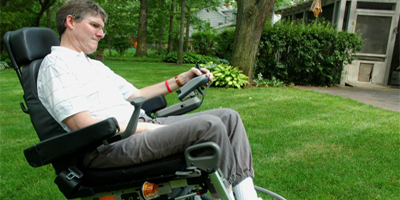
After about 4-5 weeks of clinical application, neuromuscular junctions and larger muscle groups begin to show signs of repair and recovery. The progressive phase of MS, the key degenerative component, shows signs of slowing down. Speaking, swallowing, movement and strength begin to gradually return. Dizziness wanes and balance improves. The results depend on the severity of the MS and which part of the brain and/or spinal cord is originally impacted. Healing takes time. Our clinical studies with MS show a dramatic decrease in disability status scale over time. Get in touch for more information on our treatment of patient with MS and our case study.
Neck Pain

Neck pain is one of the most common complaints among adults. It affects nearly 50% of the adult population at some point in their lives. Persistent neck pain is a common result of wear and tear on the neck, degenerative changes due to aging, herniated disks, bone spurs, as well as a result of injuries sustained from working, playing sports, or just being active.
Since the neck area is the site of the nerves that transmit signals to and from the rest of the body, it’s understandable why an injury to the soft tissues in the neck can cause worse pain in other areas of the body, ranging from joint pain to other varied nerve pain, headaches, and vertigo.
Treatments for chronic neck pain conditions often include rest, self-care, and physical therapy. However, these options are not always sufficient and the intractable pain becomes harder to treat. Pain specialists may recommend pharmaceutical medications and alternative therapeutics such as injections of platelet-rich plasma.
However, these measures do not always yield the desired results, especially in persistent neck pain. This is where regenerative medicine, specifically stem cell therapy, is helpful for the local damaged tissue and for the systemic sequelae that often accompany.
Nerve Damage

-
Reduced Inflammation
The first benefit of nerve damage stem cell treatment is helping the body remove toxins that weaken the immune system. Outcomes vary based on the severity of symptoms and the duration of therapy, but most individuals experience a significant decrease in swelling around the affected areas.
-
Less Pain and Discomfort
As toxins are removed from the body and swelling subsides, stem cells begin regenerating nervous tissue to support healthy signals between the brain and various muscle groups. Pain, tingling, and numbness typically subside towards the end of therapy and decrease as the body gradually returns to activity.
-
Improved Quality of Life
As they gradually increase physical intensity, patients can return to activities that support a healthy lifestyle. They can reduce their dependence on medications and regain their independence, leading to an overall improved quality of life.
Neuropathy
-
Reduced Inflammation
The first benefit from stem cell treatment is immune regulation. Stem cells and their exosomes release immune, transcription factors that help to quench the inflammatory cytokine storms causing nerve aggravation. Peptide and detoxification IVs also help to modulate immune function. This gives room for the stem cells to repair the nerve damage and tissue.
-
Reduced Pain
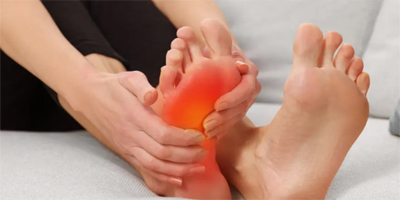
The second level of benefit from pluripotent stem cell transplantation is a palpable reduction of chronic pain. The suppression of pain is usually observed after a minimum of 2 weeks of pulsing IVs and injections. In neuropathy, damaged nervous tissue fibers co-exists side by side with healthy uninjured nervous fibers. The damaged fibers aggravate the intermingling healthy fibers, leading to neuropathic pain. Pluripotent stem cells release powerful neurotrophic factors (secretory proteins, nerve growth factor, endothelial growth factor etc.) that protect the healthy fibers and assist the regeneration of damaged nerve tissue, nerve cells, neurons and endothelial cells simultaneously.
-
Improved Quality of Life
As pain wanes and patients have pain-free moments in the day, they experience a renewed sense of vitality, improved mobility, have more energy and clear vision of the future once again.
Opioid Addiction

-
Decrease in pain
The first benefit from stem cell treatment is pain reduction. Pluripotent stem cells signal repair on all tissues by releasing repair peptides and transcription factors. A reduction in pain means a reduced need for opioids.
-
Absence of withdrawal
As patients reduce their opioid dose, withdrawal symptoms usually follow. With pluripotent stem cells, this is significantly reduced, since neurotransmitter balance and brain function overall is supported with neurotrophic factors and unique miRNAs.
-
Improvement in quality of life
As pain wanes, so does the need for opioid use. Once the patient is off this addictive medication, life transforms. Patients experience renewed vitality and have a clearer vision of a healthy addiction-free future.
Pain Management

Depending on the type of pain and the medical paradigm of the regenerative medicine specialists, pain medicine consultants and pain specialists, different solutions for pain reduction and pain relief are available.
Stem cells therapies have come to the forefront of regenerative therapy options, treatment of chronic pain condition and general pain therapeutics. Clinical application of various adult stem cell types are being used for all pain subtypes – neuropathic pain, musculoskeletal pain, disc pain, discogenic pain, joint pain, neck pain, shoulder pain, arthritic knee pain and so on. Even complex pain syndromes are sometimes resolving, especially with whole-body compatible stem cells.
Parkinson’s Disease

-
Reduced Inflammation
One of the key beneficial effects of stem cell treatment is immune regulation. The immunomodulatory effects of hESC treatment are critical in easing symptoms. Pluripotent stem cells and exosomes release transcription factors that help immune cells to shift away from TH1 autoimmune reactivity. Detoxification IVs and anti-parasite treatments also assist the healing. This calms the fire in the brain and allows for dopamine-producing neurons to repair and grow.
-
Motor Function Improvement
The second level of therapeutic effects is usually observed after a minimum of 3-4 weeks, when inflammatory fire is quenched and the dopamine neurons begin heal. The neuron is a complex cell, and the human dopamine neuron requires time to regenerate. Over time, the tremors, rigidity, instability and bradykinesia begin to show sign of easing. Motor fluctuations can occur from day to day, but overall motor scores steadily improve.
-
Improvement in Quality of Life
A major challenge in healing from Parkinson’s is improving quality of life. This condition is disabling both cognitively and physically. Current treatments in regenerative medicine do their best in supporting patients in living better longer with this condition. Pluripotent cells release their signaling factor molecules for months post-treatment, and work on reprogramming all tissues for self-repair. As motor function improves, and cognition ameliorates, the patients become once again more independent and quality of life improves.
Post-Viral Syndrome

-
Reduced Inflammation
The first benefit from stem cell treatment is immune balance. Stem cells and their exosomes release immune and transcription factors that help to quench the inflammatory cycles and cytokine storms causing illness, fatigue and pain. Peptide and detoxification IVs also help to modulate immune function and support the stem cells in repair and regeneration of damaged tissue.
-
Improved Energy
The second level of benefit is a palpable reduction of chronic pain. This is usually observed after a minimum of 2 weeks of pulsing IVs and injections. Pluripotent stem cells release powerful mitochondria and DNA repair factors that bring renewed energy and allow for deep cellular repair.
-
Overall health improvement
Post-viral sequelae can be debilitating, long lasting and they can affect every organ, the brain, the lungs, digestion, kidneys, you name it. Pluripotent stem cells and their complimentary therapies help to repair the damage in all tissues of the body, and help your body to start once again self-repairing and finding its healthy set point.
Pulminary Fibrosis

-
Inflammation
The first benefit from stem cell treatment is immune regulation. Stem cells and their exosomes release immune and transcription factors that help immune cells to shift away from TH1 auto-immune reactivity. Detoxification IVs and anti-parasite treatments also help to restore immune function. This calms the alveolar and lung tissue destruction in its tracts, paving way for repair.
-
Energy Levels
The second level of benefit is usually observed after a minimum of 6-12 injections when lung tissue begins repair via the delivery of stem cells’ anti-fibrotic and angiogenic factors. This in turn increases oxygen delivery to the lungs and to other organs, and usually feels like increased energy levels, improved strength, balance and coordination, decreased pain and the ability of think again. Patients report that they feel like they are slowly ‘coming back’.
-
Organ Function Restoration
Pluripotent stem cells work on repairing not only lung tissue. They travel to all 220+ tissues of the body and gradually repair the systemic damage incurred from long-term poor organ oxygenation and perfusion. Heart function, circulation, digestion and other organ dysfunction continue to improve over time.
Rheumatoid Arthritis

There are different types of cells used in treatment of rheumatoid arthritis. MSC-based therapies use mesenchymal stem cells (human adipose tissue stem cells, umbilical cord mesenchymal stem cells, bone marrow mesenchymal stem cells, autologous and allogeneic mesenchymal stem cells). Patients with rheumatoid arthritis usually receive these to start with since they are available in most regenerative medicine clinics treating autoimmune arthritis.
All stem cells secrete exosomes. These are small vesicles full of reparative peptides and transcription factors that signal repair and regeneration in every tissue they reach. The contents of stem cell exosomes have immunomodulatory properties and also provide immunosuppressive effects in inflamed joints. The also contain growth factors and reparative factors that help repair the damage done to the inflamed joints.
Scleroderma

-
Improved Immunity
The injection of pluripotent stem cells has the immediate effect of balancing the immune system and averting further autoimmune reactivity.
-
Improved Elasticity
The second level of benefit is usually observed after a minimum of 12 injections when the anti-fibrotic, collagen and elastin supporting factors and miRNA have a chance to break up the fibrotic matrices and deposit new healthy elastin and collagen.
-
Organ restoration
Detoxification, clearing chronic infections, tissue repair with the stem cells all add to systemic organ repair and regeneration. Scleroderma can be fatal if the heart, the lungs, the kidneys and digestion are not being supported simultaneously with regenerative factors. Pluripotent stem cells are uniquely positioned for this whole body repair.
Shoulder Pain

Many orthopedic conditions and degenerative conditions can benefit from stem cell therapy. Some of the most common medical conditions causing shoulder joint problems that can be treated with stem cells include:
- Rotator cuff tears (complete, partial rotator cuff tears)
- Rotator cuff tendonitis
- Labral tear (complete tears, partial tears)
- Muscle tears
- Head of Biceps tendon tear
- Shoulder arthritis, arthritic shoulder
- Shoulder bursitis
- Shoulder blade myofascial pain
- Pain in shoulder bones
Joint pain resulting from acute orthopedic injuries (joint injury, muscle injury) can also be addressed with stem cell treatment and exosome therapy. Pain relief and healing after injury is often very effective with stem cell treatment. The effect is long lasting, especially if combined with supportive treatments.
Facelift

We want a youthful appearance and doctors and plastic surgeons focusing in cellular regenerative medicine have been devising ways to make this happen without invasive surgical procedure, medical technology or techniques (surgical facelifts, plastic surgery, the traditional facelift, aesthetic facelift surgery). Cosmetic surgery can be hard on the body and leave scars. Patients are looking for cosmetic medicine modalities that are more gentle, biocompatible, non-invasive, and that do not exhaust and scar.
Most recently, stem cell medicine has come to the forefront of aesthetics with stem cell serum facials, now a leading regenerative biological cosmetic procedure. Facial skin responds very well to the regenerative potential of the secretory factors and peptides that are concentrated in the stem cell secretions. The Stem Cell Facelift is a potent therapy for skin aging, facial aging, facial volume loss and skin laxity. Incorporation of stem cells into aesthetic medicine has been a game changer.
Stem cell derived microvesicles, exosomes, are full of growth factors, neurotrophic factors, angiogenic factors, anti-fibrotic factors, and in the case of pluripotent stem cells, reprogramming factors that turn back biological age of tissues. They bring in new blood vessels, new nerve tissue, dissolve scaring, smooth lines, and rejuvenate overall, giving the patient a youthful glow.
Stroke

-
Immune
The first of many therapeutic effects from the pluripotent stem cell treatment is immunoregulation. Ischaemic stroke is an injury to brain tissue, and resulting inflammation can worsen the repair process and even cause further brain injury. Clearing runaway inflammation is step one in the healing process. Stem cells and their exosomes release immune and transcription factors that help restore healthy immune function in the brain.
-
Cognition
The secondary benefit from the regular administration of stem cell doses is a gradual return of cognitive function. This may occur 14 days after cell injection or take longer, depending on seriousness and location of the stroke. Pluripotent stem cells release neurotrophic factors, angiogenic and growth factors, and help restore neural cell connections in the brain between sites of brain injury and patient’s own neural stem cells in the brain.
-
Mobility
Pluripotent stem cells and Plurisomes are cellular therapies for the treatment of stroke that signal repair in all tissues of the body. As the brain begins to repair, communication with the rest of the body begins to gradually improve and muscle movement and control begins to restore. This is followed by the beneficial effects of balance, coordination and overall improvement in mobility. Results vary patient to patient.
© GO☀️D VIBES STEM CELL WELLNESS CLINIC
Renew • Repair • Revive
All Rights Reserved.